
Multi-chain
The active network determines gas assets, explorers, contracts and transfer routes. Check that both sender and receiver support the intended network.
imtoken · Multi-chain wallet and Web3 knowledge hub
A multi-chain wallet, blockchain network and Web3 knowledge hub from imtoken
From multi-chain assets and network selection to receiving, sending, DApp connections, approvals, network concepts and wallet security, imtoken brings the main decisions into one understandable flow so every on-chain request can be reviewed before confirmation.
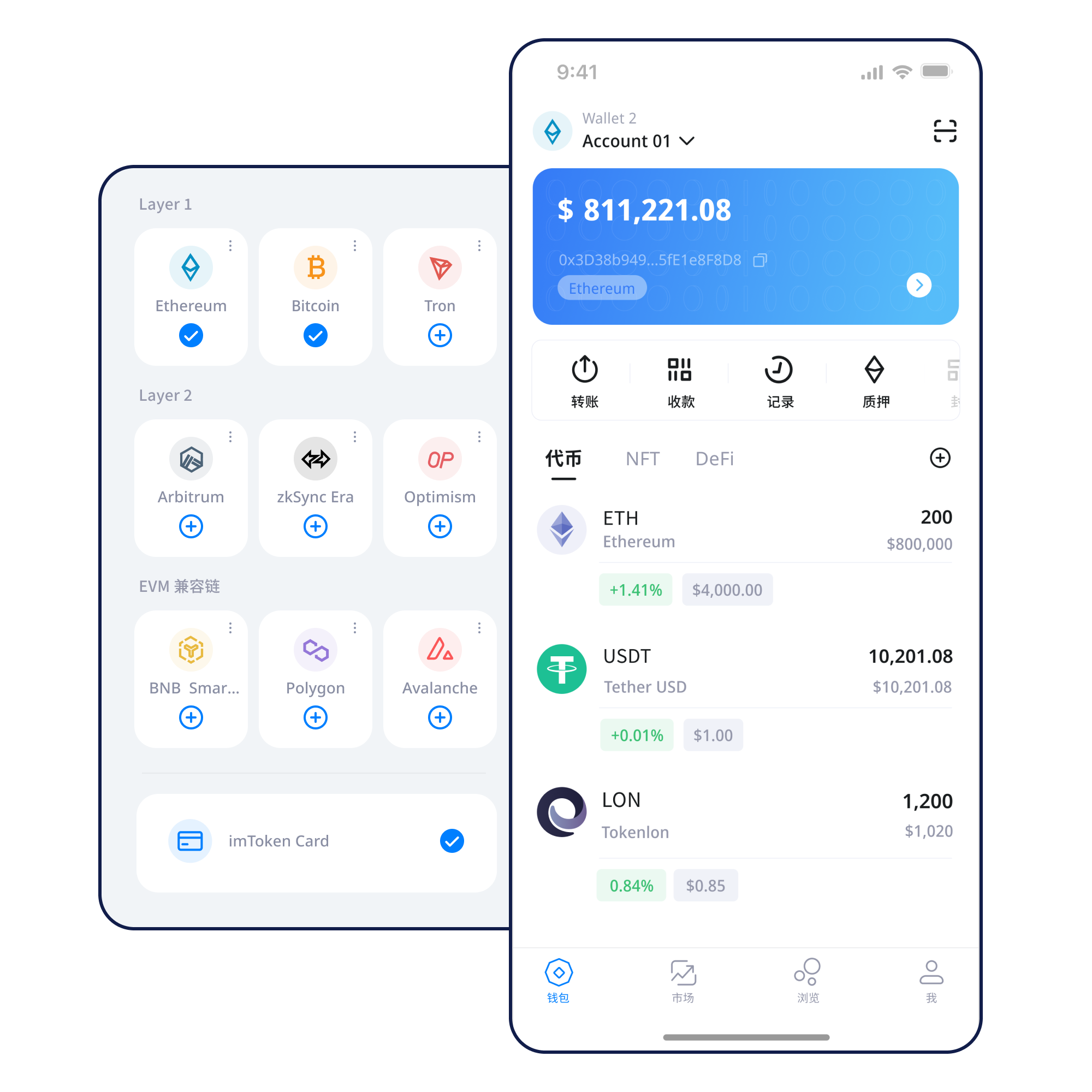 Networks · Assets · Transactions · Web3
Common tasks
Understand seed phrases and private keys before creating or importing a wallet.
Open guide →02Keep the seed phrase offline and do not send it through chat or store it as a screenshot.
Open guide →03Confirm the receiving network and asset type before sharing an address.
Open guide →04Verify the address, network, amount and gas information before confirming.
Open guide →05Check the domain, account and network, then review every signature or approval separately.
Open guide →Multi-chain assets
Different networks can use similar address formats and can host tokens with the same symbol. Verify the network, token contract and receiving support together.
Understand multi-chain assets →imtoken App
Use a clear wallet view for everyday tasks while keeping independent judgment over networks, gas and signature requests.
Explore the App →imtoken Web
Verify the DApp domain first. After connecting, confirm the account and network, review signatures and approvals separately, and disconnect sessions you no longer need.
Read Web guidance →
Keep seed phrases and private keys under your own control. Prefer offline backups, avoid screenshots or plaintext cloud storage, and review unused approvals regularly.
Open Security Center →Explore blockchain networks
The active network determines gas assets, explorers, contracts and transfer routes. Check that both sender and receiver support the intended network.
Nodes maintain a shared ledger, transactions enter blocks and gain confirmations over time. The transaction hash is a key reference for verification.

EVM networks share a similar execution model, but gas assets, network parameters and deployed contracts remain network-specific.
Layer 2 systems have their own settlement, data and bridging mechanisms. Understand where the asset lives and how it moves between layers.
Gas pays for network execution. Fees vary with network conditions, and a broadcast transaction may still need additional confirmations before it is considered final enough for your use case.
Learn more →Wallet journey
Use a trusted entry point and avoid install links from unfamiliar messages.
Understand who controls the seed phrase and private keys before importing.
Keep the seed phrase offline and never disclose private keys or verification codes.
Check the asset network, target network and required gas asset.
Verify the address, network and amount; consider a small test for important routes.
Read DApp requests before signing and revoke permissions you no longer need.
Web3 & DApps
Connecting a wallet does not make later requests trustworthy. Check the domain, account, network, request target and permission scope each time.
Open Web3 guide →Security
Many wallet risks come from the wrong site, the wrong network, excessive approval scope or misunderstood signatures rather than a weak password. Keep seed phrases and private keys under your own control; legitimate support should never request them. Because on-chain transactions generally cannot be reversed unilaterally, checking the address, network, amount, spender and permission scope before confirmation is a stronger everyday defense.
Open Security Center →Academy · Featured starter
An address receives assets; a seed phrase and private keys control access; the network determines where a transaction executes; gas pays for execution; a transaction hash lets you verify the record; and a DApp can ask for connections, signatures, transactions or approvals. Understanding how these ideas interact matters more than memorizing button locations.
Start learning →Ethereum & PoS
Ethereum PoS uses validators to participate in proposing and attesting to blocks. Rewards are protocol-driven and can change with network conditions; withdrawals and exits can involve waiting periods.
Learn about Ethereum staking →Product and security updates
Download entry points and basic usage guidance organized for clarity
Verify the destination network and asset route before cross-network actions
No legitimate party should ask for your seed phrase or private key
Staking rewards, exit queues and network state can change
FAQ
imtoken
Learn the basics of seed phrases, networks, gas, signatures and approvals so each confirmation is based on information you can interpret.